Role
Global design systems lead
How one configurable component enabled dozens of product teams to solve different problems without compromising consistency.
Global design systems lead
Global organisation
Enterprise design systems
Modern enterprise products rarely need the same interface twice. As our ecosystem expanded, product teams increasingly requested specialised components to support different layouts, content types and interaction patterns. While each request was valid, collectively they risked fragmenting the design system, increasing maintenance costs and creating inconsistent experiences for users moving between products.
Rather than designing another component, I stepped back to rethink the problem. Instead of asking “What new variant do we need?”, I asked “How can one foundation support many different experiences?” That shift in perspective led to a highly configurable tile component that balanced flexibility with consistency, allowing teams to solve a wide range of product challenges while giving users interfaces that remained familiar, predictable and accessible across the platform.
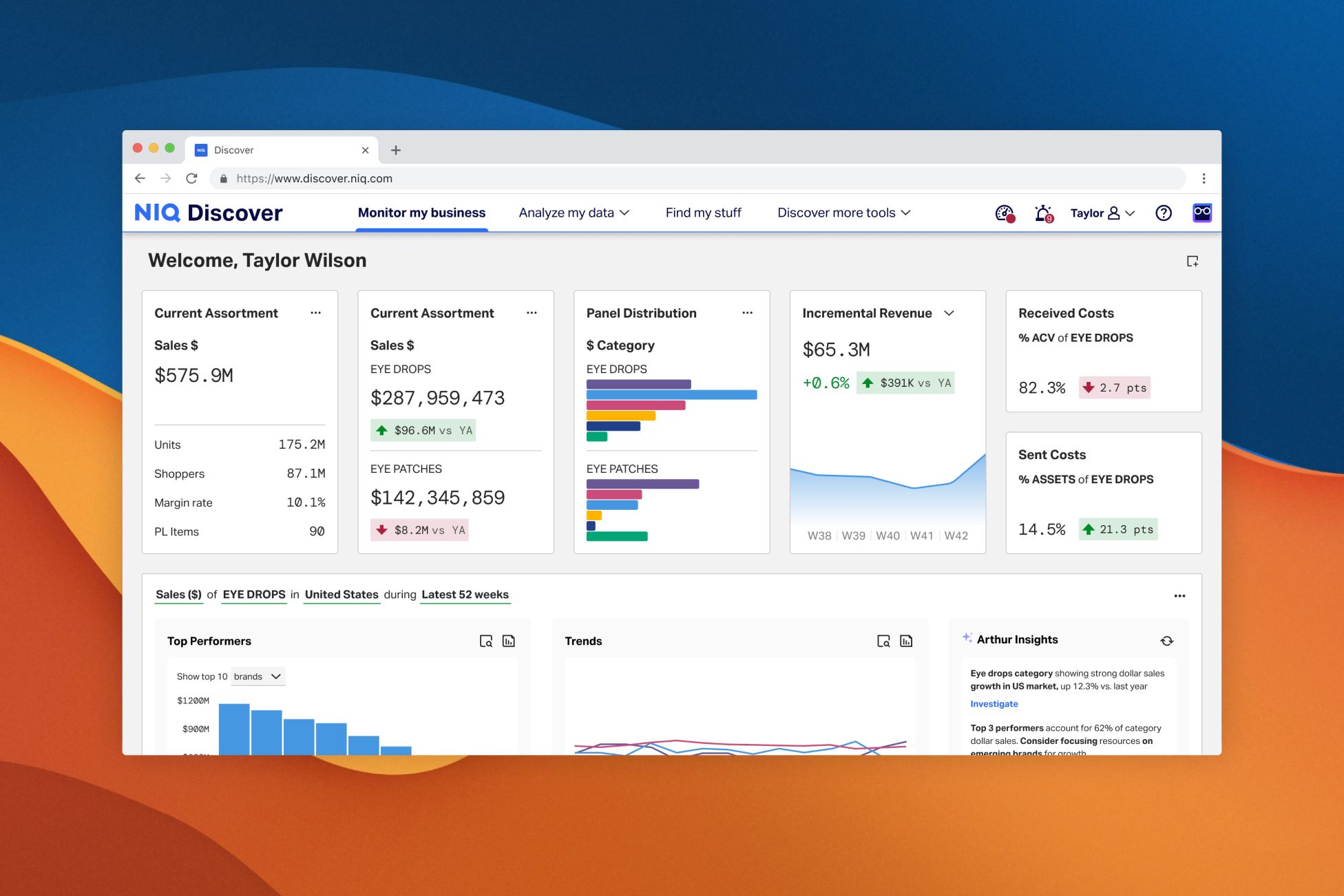
Over two years, I reviewed more than forty implementation requests from product teams. Rather than treating each request as a unique problem, I identified recurring behavioural patterns that became the architectural foundation of a single configurable component. By defining clear configuration boundaries, controlled properties, and reusable behaviours, I created a framework that could absorb future requirements without increasing complexity.
This enabled teams to address diverse product requirements without introducing new variants, while giving users a more consistent, predictable, and accessible experience across the platform.
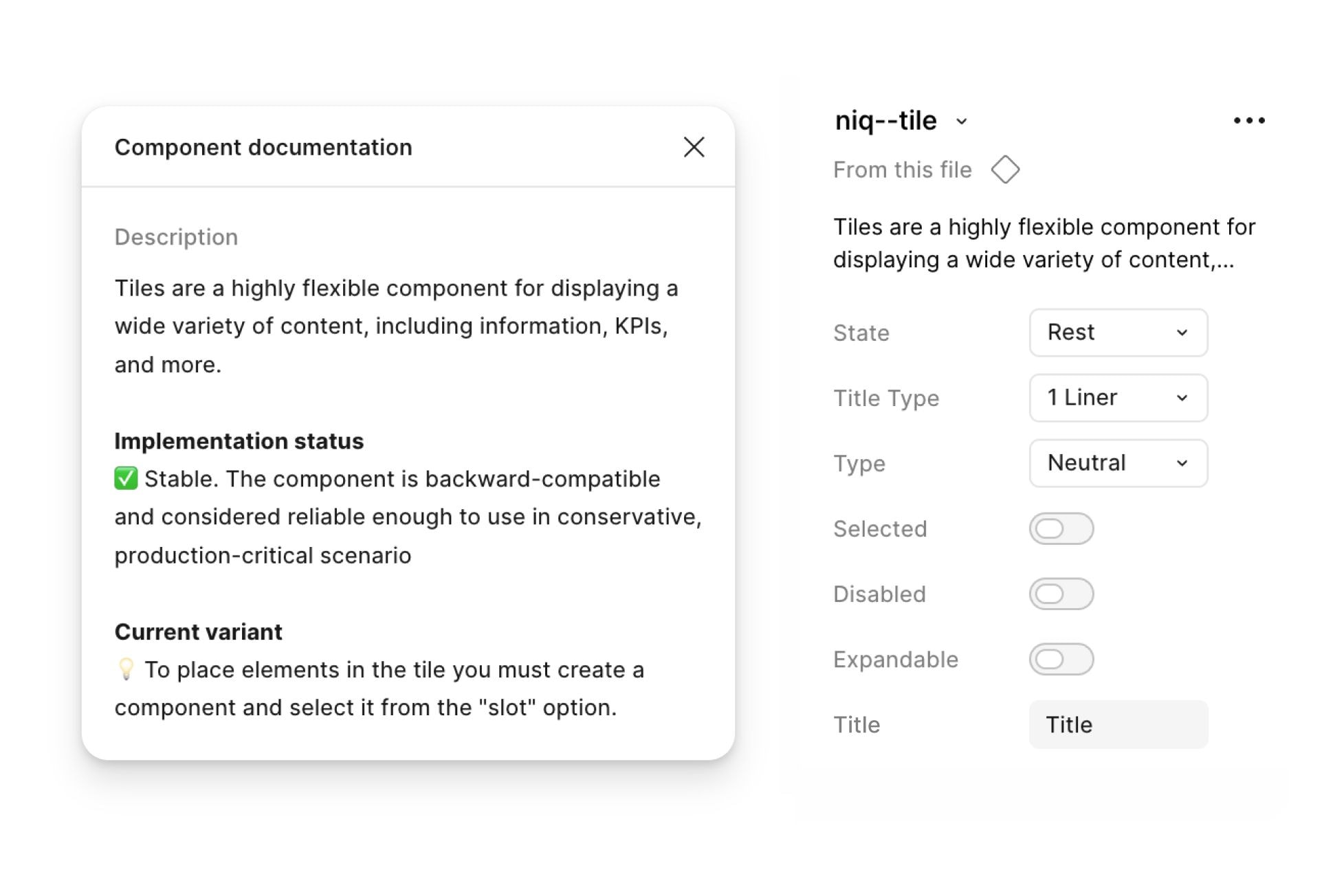
What looked like a single component challenge became an opportunity to rethink how flexibility could scale. Instead of introducing new components for every request, product teams could build on a shared foundation that now supports 40+ product teams across the organisation while preserving consistency throughout the ecosystem.
The impact extended well beyond design efficiency. One reusable component—downloaded more than 45,000 times each month—strengthened design-to-code alignment, reduced implementation effort and improved long-term maintainability. More importantly, every supported configuration remained 100% keyboard accessible, giving users predictable interactions and a familiar experience wherever they navigated the platform.
40+
45k
100%
By treating flexibility as an architectural challenge rather than a visual one, the tile component evolved into one of the design system's most widely adopted foundations. Product teams could build faster without introducing unnecessary variants, while users benefited from interfaces that remained familiar, accessible and predictable regardless of how the component was configured.
Credit: Blue and orange wallpaper by Martin Martz.
Reimagining the property investment journey through clearer guidance and progressive disclosure.
Product design

Defining the workflows, architecture, and reusable foundations behind a configurable enterprise KYC & AML platform.
Product design
Introducing prioritisation frameworks that improved transparency and delivery confidence.
Design operations
How naming conventions improved discoverability, adoption, and collaboration across teams.
Design systems