Design systems specialist enabling teams to ship consistent high-impact products at scale.

Systematically prioritising design systems

Design systems don’t scale through output—they scale through focus.

Design operations2025
Hero image of NielsenIQ case study

As Global Design Systems Lead at NielsenIQ, I led the effort to establish a systematic approach to prioritisation for the design system program.

Within a complex, multi-product environment, the design system faced growing demand from multiple teams, each with competing needs and expectations. Without a clear prioritisation model, work became reactive, fragmented, and difficult to scale.

By aligning design, product, and engineering around shared criteria, making trade-offs explicit, and ensuring the system evolved based on impact rather than urgency, this shifted the system from a backlog of requests into a focused, strategic product with a clear direction.

The challenge

The challenge wasn’t lack of ideas—it was deciding what mattered most.

As adoption increased, the design system became a central dependency across teams. Requests grew rapidly, ranging from small improvements to complex, system-wide needs. Without a structured approach to prioritisation:

  • Work became reactive and driven by urgency
  • Teams competed for attention and resources
  • System integrity was compromised by short-term decisions

The absence of clear priorities created noise, slowed decision-making, and made it difficult to maintain a coherent system direction.

What appeared to be a backlog problem was, in reality, a prioritisation problem.

Design systems as decision systems

Design systems are not just collections of components—they are systems of decisions.

Every component, pattern, or guideline represents a choice about what the system supports and how teams should build. Without a clear prioritisation model, these decisions become inconsistent, reactive, and difficult to scale. Designing a design system therefore requires designing how decisions are made:

  • What gets built
  • What gets deferred
  • And why

Clarity in prioritisation creates alignment. Without it, even well-built systems fragment over time.

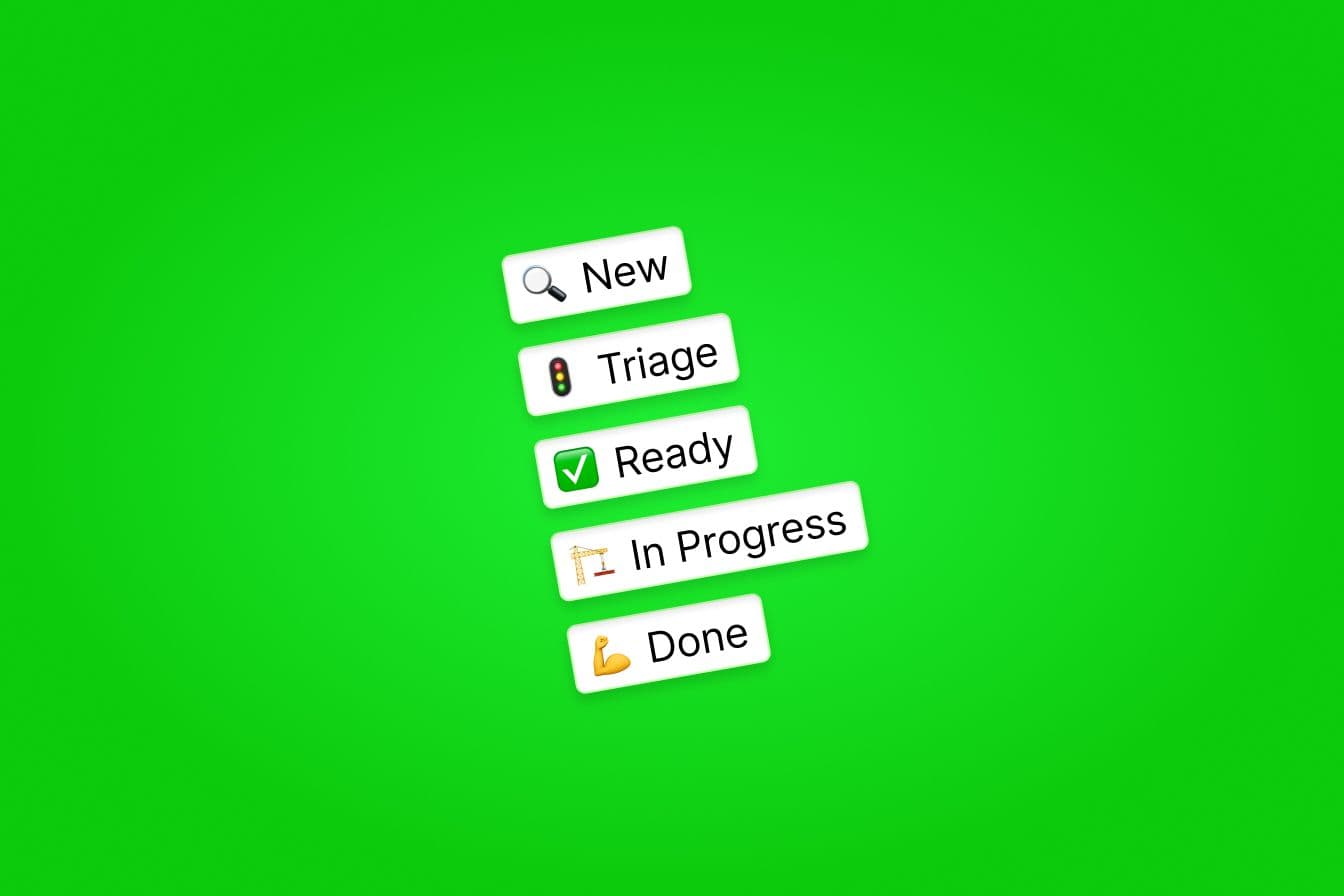
Image of prioritisation status

Approach

This work focused on shifting from reactive delivery to intentional prioritisation.

Rather than responding to requests as they came, we introduced a structured model that made priorities explicit and shared across teams. This meant:

  • Defining clear evaluation criteria for incoming work
  • Aligning stakeholders on impact vs effort trade-offs
  • Creating visibility into decisions and their rationale

The goal was not to reduce demand, but to direct it—ensuring effort was focused where it created the most value for the system and its users.

Prioritisation model

Prioritisation became a system in itself.

We introduced a shared framework to evaluate and sequence work, balancing immediate needs with long-term system health. Work was assessed across dimensions such as:

  • Impact on multiple teams and products
  • Contribution to system consistency and scalability
  • Frequency of use and reuse potential
  • Cost of delay and implementation complexity1

This allowed teams to move from subjective requests to structured decision-making, reducing friction and improving alignment across disciplines.

Reactive backlog

  • Request-driven work
  • Competing priorities
  • Low visibility

Structured prioritisation

  • Shared criteria
  • Explicit trade-offs
  • Aligned stakeholders

Focused system roadmap

  • Impact-driven decisions
  • Clearer direction
  • Scalable evolution

Foundations for scale

Clarity in prioritisation created clarity in execution.

By aligning teams around shared priorities, the design system shifted from a reactive service to a strategic product. Work became more predictable, decisions more transparent, and outcomes more consistent. This foundation enabled:

  • Better planning across teams and programs
  • Reduced duplication of effort
  • Stronger alignment between design, product, and engineering
  • More accountability on dependencies across features

Prioritisation became a mechanism for scale—not just a planning exercise.

Image of handshake emoji

Impact

This work didn’t just organise the backlog—it changed how the design system delivered value.

Following the merger of GfK and NielsenIQ, we were operating across two parallel design systems—each with its own structure, maturity, and priorities. This required an agnostic prioritisation framework that could align teams without favouring one system over the other.

By introducing a shared, system-agnostic approach to prioritisation, decisions became more transparent, effort more focused, and outcomes more aligned with both product needs and long-term system convergence. Instead of reacting to demand, the system began operating with intention—directing energy where it created the most impact.

Alignment

Teams aligned around shared priorities, reducing friction and improving collaboration across product areas.

Focus

Effort shifted toward high-impact work, reducing noise and avoiding unnecessary system complexity.

Efficiency

Clear decision-making reduced time spent on discussions and rework, improving delivery speed.

System integrity

By prioritising intentionally, the system evolved more coherently—supporting long-term scalability rather than short-term fixes.

The design system moved from reactive output to intentional impact.

Final thoughts

Design systems don’t scale through output—they scale through focus.

Prioritisation is not a planning activity—it is a design problem. It defines what the system becomes over time. When priorities are clear, teams align, decisions accelerate, and systems evolve with intention rather than noise.

NielsenIQ is the world's leading consumer intelligence company, delivering the most complete understanding of consumer buying behaviour and revealing new pathways to growth.

nielseniq.com

NielsenIQ

Information Services

1As part of the broader product alignment efforts following the merger of GfK and NielsenIQ, we progressively introduced the Weighted Shortest Job First (WSJF) framework alongside the product organisation to support more transparent, impact-driven prioritisation and decision-making at scale.